
The old saying "You are what you eat" would be slightly more TRUE changed to "You are what you can digest or assimilate" I know it's not as 'catchy' a phrase but truth nonetheless. We can choose to eat high quality foods from the best sources. We can eat 'local', follow the strictest dietary guidelines....but if the nutrients are not able to be used by our bodies due to poor assimilation, we are not being nourished & supported. NOT being nourished & supported = open door for chronic issues. One thing is important to know: Bitters boost your digestion.
If we see our body as a complete 'organism', and realize that within this miraculous intricate 'eco-system', there are many systems; we can understand that the digestive system plays a very important + influential role in the health of the entire body. Additionally, the nervous system, cardiovascular system, circulatory system, & endocrine system ~ just a few of the 'cogs in the wheel' and all completely dependent upon the choices we make every day.
There are 5 tastes ~ sweet, salty, sour, pungent** & bitter. This last, the taste of 'bitter' has been all but forgotten in North America. Bitter flavours trigger the beginning of the 'flow' of digestive fluids. In this way, bitters signal the body that food is 'on its way', and a number of processes 'mobilize'. The digestive process begins in the mouth with the secretion of saliva, This is, in fact, one more reason to chew our food more than most of us do; saliva contains amylase, the enzyme which breaks down starches into sugars and the more we chew, the easier it is for our food to head down that road to better assimilation.

The liver LOVES bitter tastes. We need to actually taste a bitter substance to support the liver. Beware of recipes for dandelion greens for example, which boast "and you can't even taste the bitterness". It's more than OK to learn to love bitter foods. It's a gift to our LIVER; the most important organ in our body.
There are MANY delicious options for 'bitters' in the produce department or available NOW at local farmers markets. Each of the following offers a degree of bitterness ~ some more than others. Many of them can be used in salads, eaten raw, lightly steamed or prepared in recipes where one would use Spinach greens.
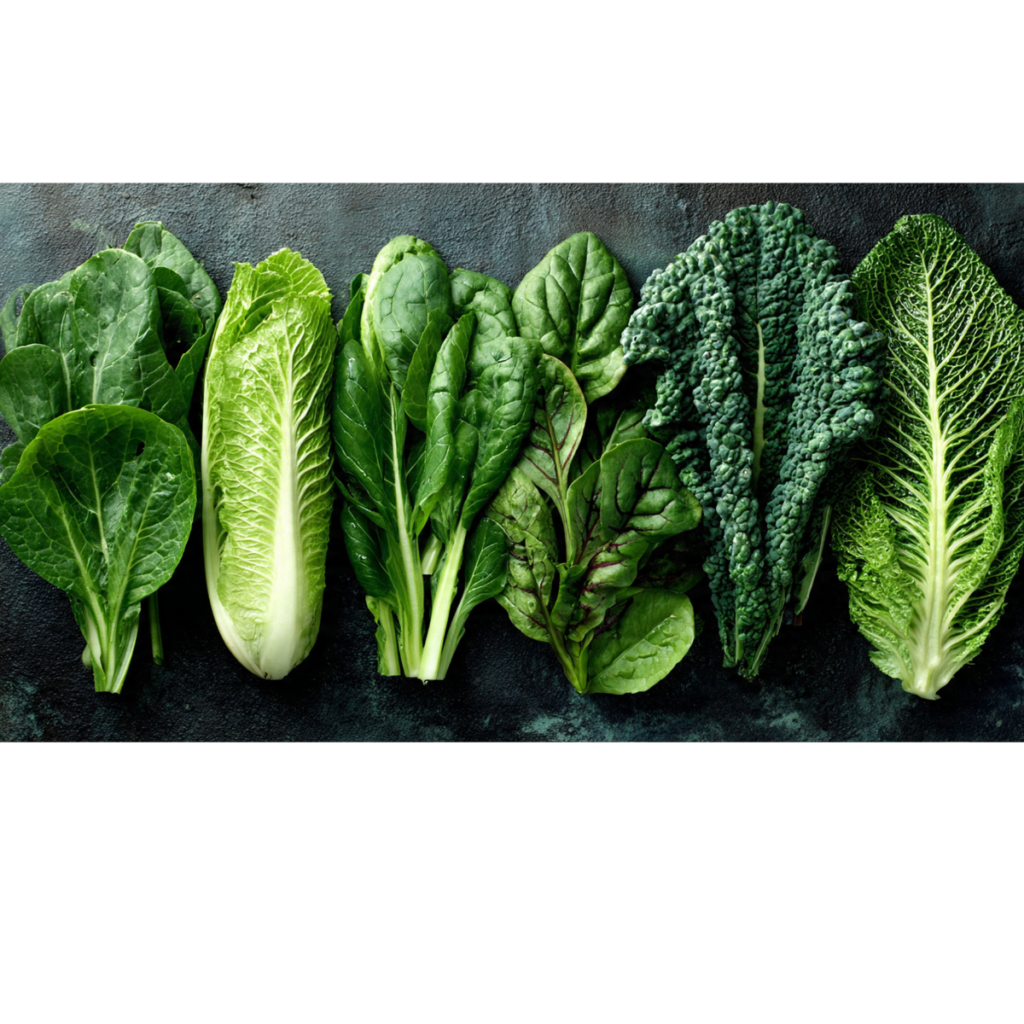
Bitters Boost your Digestion:
Here's a list to inspire you!!!
Arugula also called rocket
Bok choy (aka Pak choi, or similar)
Baby bok choy
Belgian endive
Brussels sprouts
Common cabbage, includes green, red, and Savoy
Chinese broccoli, aka Gailan or Kai-Lan
Collard greens
Dandelion greens
Kale - green and red
Mizuna
Napa cabbage, aka Chinese cabbage
Raabs or rabes, including broccoli raab, flowering cabbage, and others
Radicchio
Rapini
Sorrel
Veggie tops, including turnip greens, beet greens, daikon greens, and cauliflower greens
Watercress
There are other "digestive aids "we can add to our kitchen pantry
From the Ayurvedic tradition, one of the simplest ways to bring more bitter flavour into meals is by cooking with fenugreek seeds. Just a teaspoon added to a stew, soup, bean dish, or curry can add depth and gentle bitterness. You can also lightly sauté the seeds in oil before adding vegetables, greens, or rice dishes. It is such a small addition, but it can make a real difference in supporting digestion.
Turmeric — that beautiful golden spice I have written about many times — is another wonderful example. Known for its anti-inflammatory and antioxidant properties, turmeric has a warm, earthy, slightly bitter taste that makes it easy to weave into daily meals. It works beautifully in soups, curries, rice, roasted vegetables, eggs, smoothies, and even herbal lattes.

These days, the classic tastes are discussed a little differently. Pungent is sometimes called piquant, especially when referring to hot and spicy foods, and now we hear so much about umami — that rich, savoury taste found in foods like mushrooms, miso, broth, and aged cheese. Perhaps there are seven tastes now! Still, when it comes to the importance of bitters, they remain in a category all their own.
There is so much to say about digestive health, and this is really only one small piece of the conversation. In the herbal world, bitters are deeply respected because they gently encourage the digestive process from the very first bite. Bitter foods and herbs can help stimulate saliva, digestive enzymes, and bile flow, preparing the body to better break down and absorb nutrients.

I make many different bitter tonic blends for clients and can almost always find one that truly sings — even for those who think they do not enjoy bitter flavours. It is one of my passions, because digestive health sits at the very foundation of vibrant energy, strong immunity, and long-term wellness. One of the bitter veggies that almost always wins people over? That is Radicchio!
I absolutely love radicchio. It is wonderful grilled on the BBQ or roasted in the oven with a drizzle of olive oil and a pinch of sea salt. Its bitterness softens slightly with cooking and becomes rich and almost sweet.
It also makes a beautiful cradle for creamy goat cheese, fresh herbs, toasted walnuts, or even sliced pear.
I've written much about digestion and digestive aids AND Bitters over the last few years -- It IS a passion of mine! Here's a post about WHY + HOW Bitters work in our body: 'bitters 101'

Once you start experimenting, it becomes surprisingly easy to incorporate these glorious bitter vegetables into your everyday meals. Do experiment! Your body will thank you !!
Remember : BITTER IS BETTER !! Enjoy!
Here's to our health --
Here's to our experiments with a ride on the "bitters bandwagon"
Carol xo
Leave a Reply