
Natural Tick Repellents !!
If it feels like you're hearing about ticks more often than ever before, you're not imagining it. Across North America—and in many parts of Europe—tick populations have expanded dramatically over the past two decades. With that increase has come a growing interest in natural tick repellents. I live in southern Ontario and it's really only in the last 5 years that the whole "fear of ticks" and hearing about local concerns of neighbours and friends and certainly an increase in folks encountering ticks while outdoors. I've been experimenting with the creation of natural tick repellents, here in my own "herbal laboratory". Of course, I don't have any "studies" published but I can say that I have researched and found some essential oils to be very well respected for their abilities.
Warmer temperatures, milder winters, changing land use, increasing deer populations, and changes in wildlife habitats have all contributed to ticks spreading into areas where they were once rarely seen.
Today, gardeners, hikers, campers, dog walkers, birdwatchers, and anyone who enjoys spending time outdoors are far more likely to encounter ticks than they were just a generation ago.
With that increase has come a growing interest in natural tick repellents. Many people would prefer to avoid harsh chemicals whenever possible and are looking for plant-based alternatives that help protect them while they enjoy the outdoors.

Do natural tick repellents really work?
The answer is yes...to a point.
Some essential oils have demonstrated promising tick-repelling properties, while others have little scientific support. And although several botanical ingredients can help discourage ticks, none of the commonly available essential oils have been shown to provide the same duration of protection as the leading registered 'commercially prepared' repellents.
The good news is that you don't have to choose one approach over another. The best strategy is simply to match your level of protection to the level of risk.
One of the biggest mistakes people make is assuming that every outdoor activity carries the same risk of tick exposure. Fortunately, it doesn't.
Lower-Risk Activities
If you're:
- Working in your own garden
- Harvesting herbs
- Watering flower beds
- Relaxing on the patio
- Spending time in a well-maintained backyard
...your chances of encountering ticks are generally much lower than if you're walking through natural habitats where ticks thrive.
For these situations, natural tick repellents made with essential oils may be an excellent choice. Wearing long pants, closed shoes, and performing a quick tick check after spending time outdoors provides additional protection.
Higher-Risk Activities
Your risk increases significantly if you're:
- Hiking woodland trails
- Walking through tall grasses
- Exploring brushy or overgrown areas
- Camping
- Hunting
- Walking dogs through natural areas
- Working in fields or forests
Ticks don't jump or fly.
Instead, they climb onto grasses, shrubs, and low vegetation, extending their front legs in a behaviour known as "questing." As people or animals brush past, the tick simply grabs on and begins looking for a suitable place to attach.
When you're spending hours in these environments, particularly during peak tick season, choosing a repellent with proven long-lasting protection becomes increasingly important.
The goal isn't simply to repel ticks—it's to prevent them from attaching in the first place.
The Best Essential Oils for Natural Tick Repellents
Researchers have evaluated dozens of essential oils for their ability to repel ticks. While much of the research has been conducted in laboratory settings rather than large outdoor field studies, several oils consistently stand out.
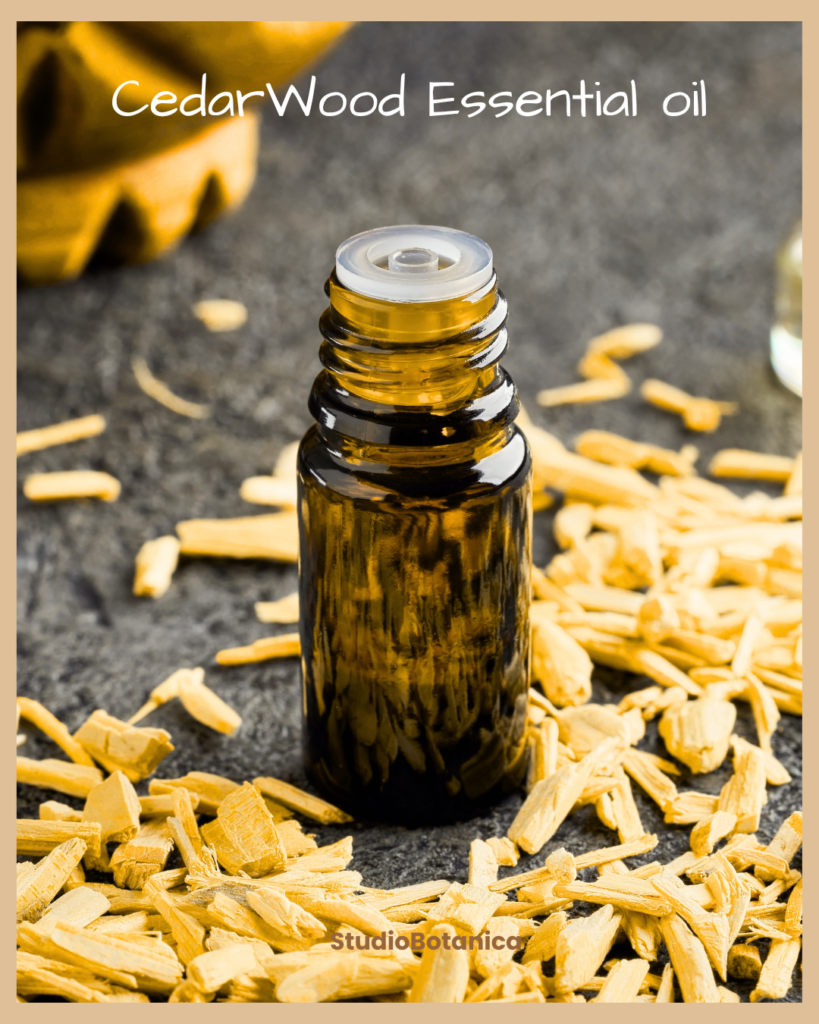
1. Cedarwood Essential Oil
Cedarwood is considered one of the most promising botanical tick repellents. Its warm, woodsy aroma also blends beautifully with many other essential oils.
Rich in naturally occurring sesquiterpenes, cedarwood appears to interfere with tick behaviour and has demonstrated both repellent and insecticidal activity in laboratory studies.
2. Rose Geranium Essential Oil
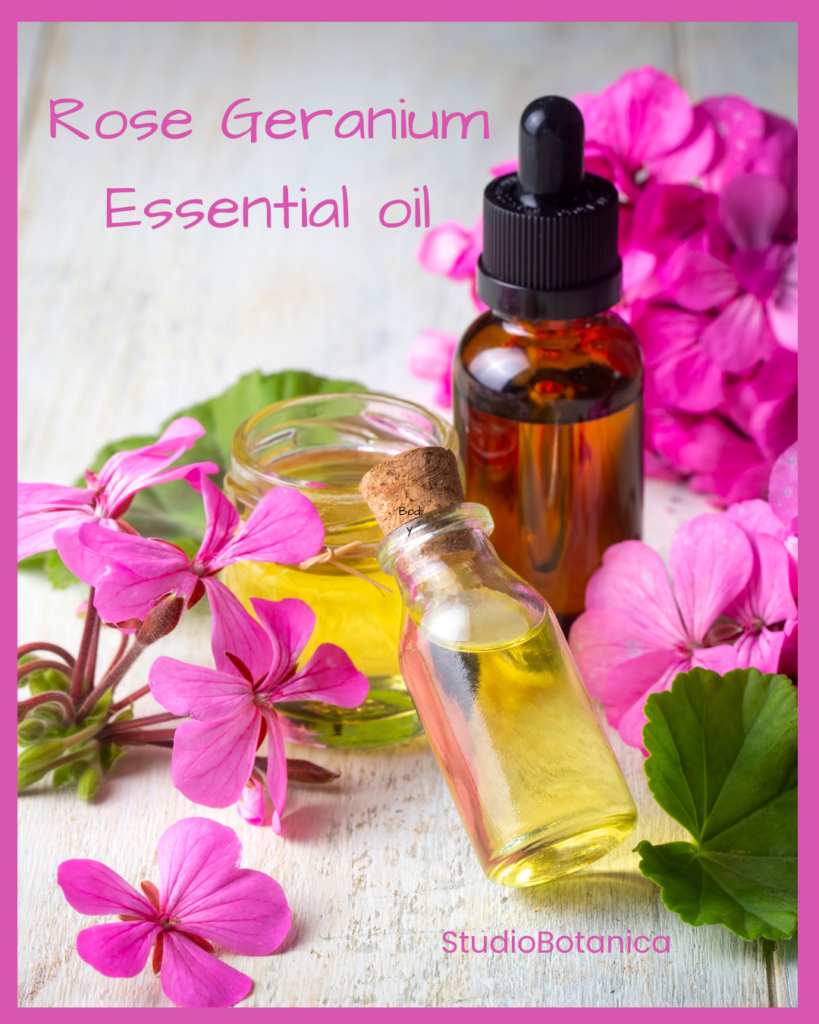
Rose geranium has become something of a favourite among natural tick repellent enthusiasts.
Several studies have shown encouraging repellency against blacklegged ticks, making it one of the better-supported essential oils currently available.
Its fresh floral fragrance also makes it a pleasant addition to homemade sprays.
3. Lemon Eucalyptus Essential Oil
Lemon eucalyptus deserves special attention.
While the essential oil itself has demonstrated some repellent activity, its greatest importance is that it is the source of PMD—a plant-derived ingredient that has become one of the most effective natural tick repellents available today.
We'll explore PMD in more detail shortly. ***
4. Neem Oil
Used traditionally for centuries throughout India, neem has long been valued for discouraging insects.
Modern research suggests neem may also help repel ticks, although effectiveness varies depending on the concentration and formulation.
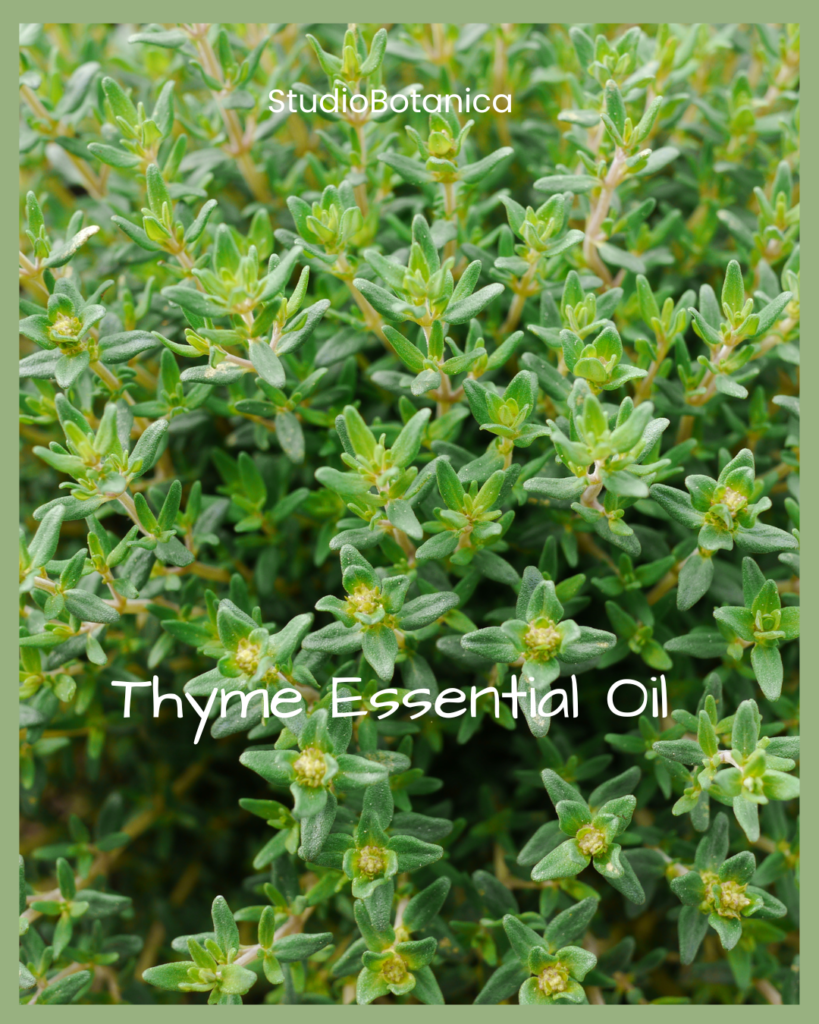
5. Thyme Essential Oil
Thyme contains naturally occurring compounds such as thymol that have demonstrated promising insect-repelling properties.
Although more research is still needed, thyme continues to attract attention as an ingredient in natural outdoor sprays.
6. Peppermint Essential Oil
Peppermint provides a fresh cooling aroma while demonstrating modest repellent activity against ticks.
It is frequently included in homemade natural tick repellent recipes.
7. Citronella Essential Oil
Citronella is famous for repelling mosquitoes.
Although it also appears to discourage ticks, its protection tends to be relatively short-lived and usually requires more frequent application.
Online resource here.
8. Lavender Essential Oil
Lavender is often included in natural tick repellent blends because of its pleasant fragrance and mild insect-repelling properties.
While it isn't considered one of the strongest tick repellents on its own, it combines well with cedarwood, rose geranium, and thyme.
9. Catnip Essential Oil
Catnip (Nepeta cataria) contains a naturally occurring compound called nepetalactone, which has shown insect-repelling activity by interfering with sensory cues used by ticks and other biting insects to locate a host.
While it can demonstrate strong short-term repellency in laboratory studies, it is not considered one of the most reliable essential oils for long-lasting tick protection on its own. It blends well with oils such as cedarwood, rose geranium, and thyme.
I discovered the amazing powers of catnip essential oil many years ago, and have used it repeatedly in natural bug repellent formulas.. It is considered 'moderate' but supports well.
I've written about "avoiding bug bites" for years with a focus on many ways to avoid "the bite" Here's a post with some ideas about what "not to eat" and my tried and true "Bug Off" recipe from my days at Studio Botanica's storefront.
Natural Tick Repellents -- an idea from Studio Botanica
Bug Off Ticks
Ingredients
- Apple cider vinegar to fill a 2-ounce spray bottle
- 10 drops geranium essential oil
- 8 drops cedarwood essential oil
- 8 drops catnip essential oil
- 6 drops thyme essential oil
Instructions
- Add all of the essential oils to a clean 2-ounce spray bottle.
- Fill the rest of the bottle with apple cider vinegar.
- Secure the spray top and shake well.
Notes
Spray on shoes, socks, clothing, backpacks, and other outdoor gear. If using on skin, avoid the eyes, mouth, and broken skin.
Shake before every use since the oils will naturally separate.
Reapply every 1–2 hours while outdoors.
This spray is often preferred for clothing and gear because of the vinegar scent.
For a gentler version, reduce the essential oils by half.
This DIY spray is not a substitute for proven tick prevention measures. Wear protective clothing, perform tick checks, and follow local public health guidance when spending time in tick-prone areas.
Some notes about Lemon Eucalyptus Essential Oil.:
*** Understanding PMD: Why It Isn't the Same as Lemon Eucalyptus Essential Oil
This is probably the biggest misconception you'll find online.
People often assume that lemon eucalyptus essential oil and PMD are exactly the same thing.
They aren't.
PMD stands for p-menthane-3,8-diol.
It is a naturally occurring compound found in small amounts within the lemon eucalyptus tree (Corymbia citriodora). However, the essential oil obtained through steam distillation contains mostly citronellal, not PMD.
Manufacturers discovered that they could safely convert much of this citronellal into PMD, creating a standardized ingredient that provides significantly better and longer-lasting protection against mosquitoes and ticks.
The result is the ingredient you'll often see listed as:
- Oil of Lemon Eucalyptus (OLE)
- PMD
- p-menthane-3,8-diol
This standardized ingredient has been extensively studied and is now recommended by many public health organizations as one of the most effective plant-derived insect repellents available.
In other words:
Lemon eucalyptus essential oil is exactly that—an essential oil.
PMD is a refined ingredient derived from that essential oil (or produced synthetically) that contains much higher levels of the active repellent compound.
Although they come from the same plant, they are not interchangeable. PMD is indicated as a stronger, more effective choice!
Here's a study comparing DEET with Essential oils: Here
Choosing the Right Protection - Natural tick repellents vs 'Commercial tick repellents'
Natural living isn't about avoiding every conventional product. It's about making thoughtful choices based on the situation.
If you're spending a relaxing afternoon tending your herb garden, a well-made natural tick repellent containing cedarwood, rose geranium, thyme, or peppermint may be all you need, particularly when combined with sensible precautions like wearing long pants and checking for ticks afterward.
If you're heading into dense woodland, walking through tall grasses, or spending the day in an area known for high tick populations, you'll likely want something that provides longer-lasting, scientifically proven protection.
That may include:
- PMD (Oil of Lemon Eucalyptus)
- Icaridin (also known as Picaridin)
- DEET
There is no single "right" choice for everyone.
The best repellent is the one that fits your activity, your comfort level, and the amount of risk you're likely to encounter.
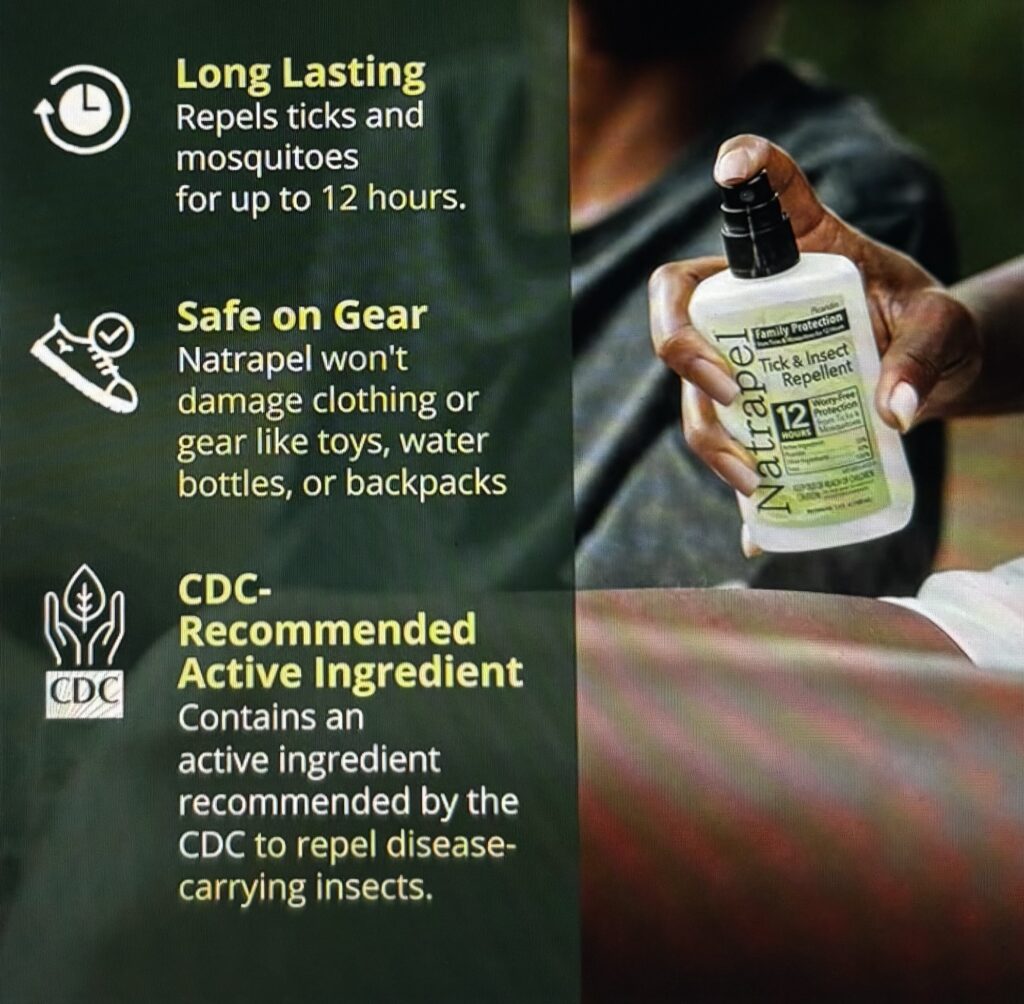
Here's a product that I use when needed:
Here's a link for online purchase
Natrapel Icaridin Insect Repellent 100mL, Picaridin Bug Spray for Mosquitoes & Ticks
Other Ways to Reduce Your Risk
Even the best natural tick repellent works best when combined with a few simple habits.
✔ Wear light-coloured clothing so ticks are easier to spot.
✔ Tuck pant legs into socks when walking through tall grass.
✔ Stay in the centre of trails whenever possible.
✔ Avoid brushing against tall grasses and shrubs.
✔ Check yourself, children, and pets carefully after spending time outdoors.
✔ Shower within a couple of hours of coming indoors if you've been hiking or camping.
These simple habits can dramatically reduce your chances of a tick bite.
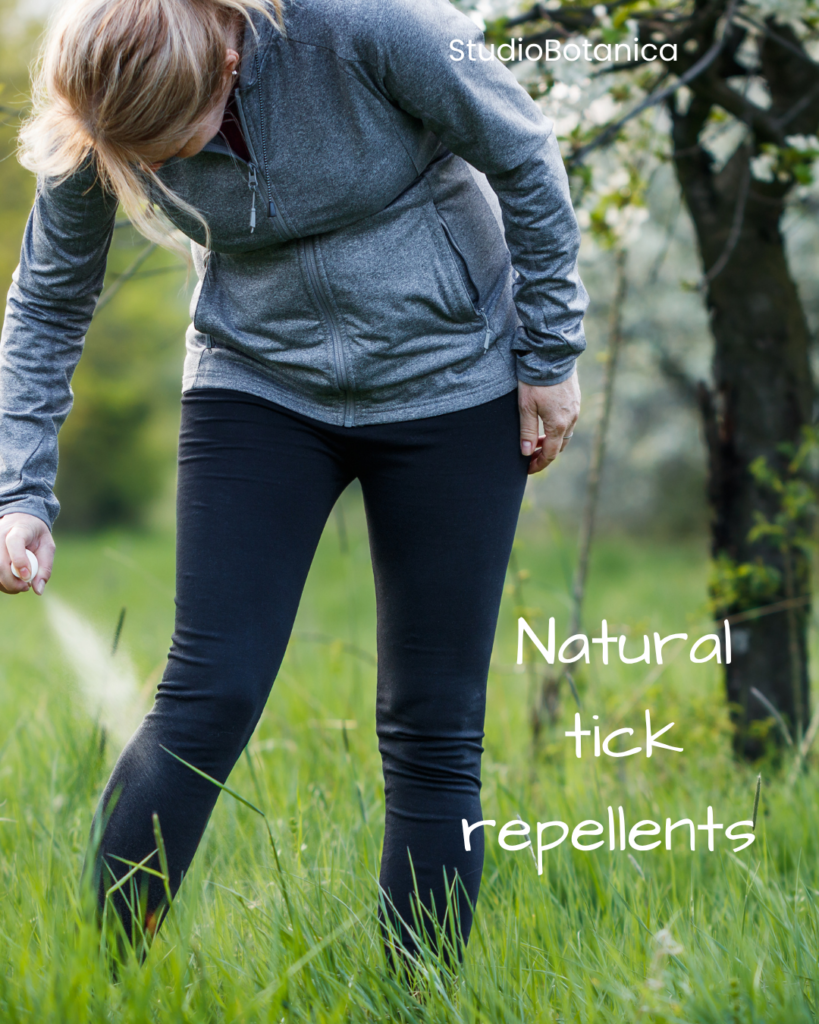
The picture above would be better with pants that are made from cloth and not 'so clingy' but hopefully this illustrates the idea of
'covering up'.
Natural Tick Repellents CAN be helpful!
Plants have offered us protection from biting insects for centuries, and modern research continues to uncover the remarkable properties of many aromatic herbs and essential oils.
While no homemade spray can promise complete protection, several essential oils—including cedarwood, rose geranium, thyme, and all those above —show genuine promise as ingredients in natural tick repellents.
Understanding where botanical repellents work best—and when it's wise to reach for a product containing PMD, Icaridin, or DEET—allows you to enjoy the outdoors with greater confidence.
The goal isn't to fear nature.
It's to explore it wisely, appreciate the remarkable plants that can help protect us, and make informed choices that keep us, our families, and our pets safe while enjoying the natural world.
Here's to keep well -- Keeping safe from those darn ticks -- Enjoying the outdoors mindfully.
Here's to our health !!! Carol x
Leave a Reply