
There’s something magical about the combination of warm spices, sweet fruit, and a little drizzle of chai syrup. You'll want to make my Roasted Chai-Spiced Fruit!
It’s simple, comforting, and just a bit special — the kind of recipe that makes an ordinary afternoon feel like an occasion. Best of all, you can use whatever fruit you have on hand! These autumn flavours are warming + aromatic + SO good!
AND .. Good FOR you !!!

I love making a condiment like this one as it can be so versatile.. I love to serve it 'on the side' with chicken or pork but also it IS a wonderful tasty addition to a charcuterie platter!!
Ingredients to create autumn flavours
Each ingredient is a powerful herbal ally! Many of these are featured in our recipe today!
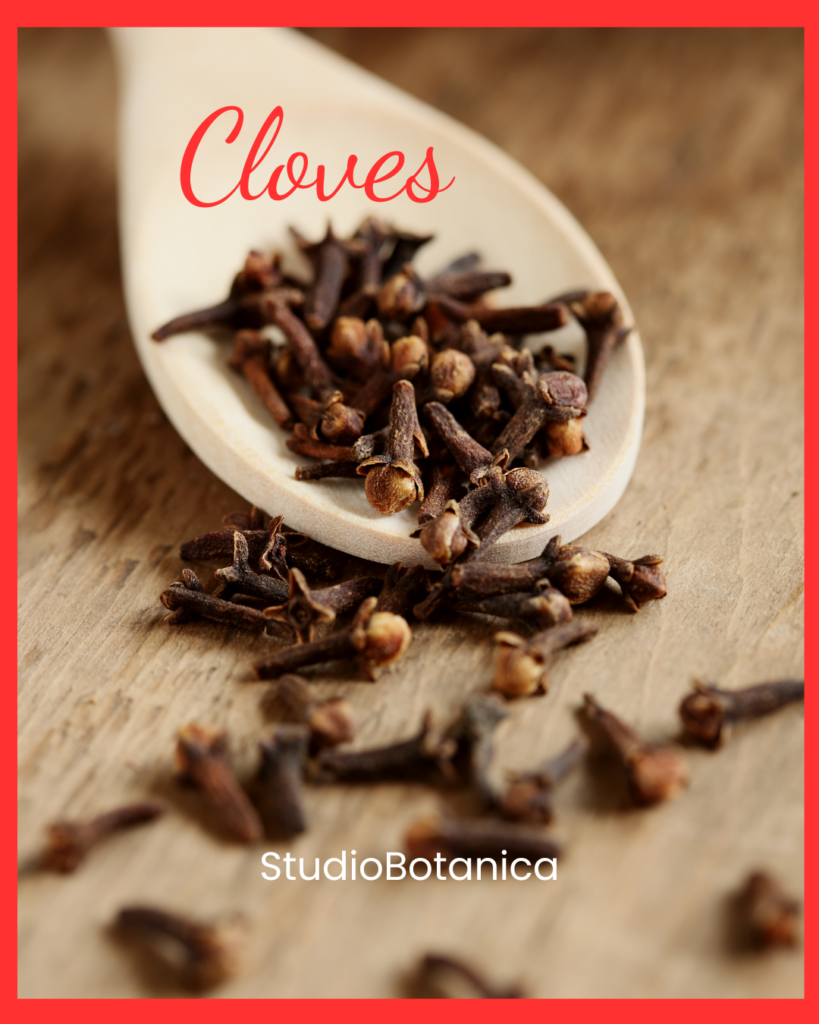
1. Cloves (Syzygium aromaticum)
Cloves are intensely aromatic flower buds traditionally valued for their warming qualities and digestive applications. They contain eugenol, a naturally occurring compound with antioxidant activity and well-studied antimicrobial properties in laboratory settings. In traditional herbal practice, cloves are used to support digestion and help ease occasional digestive discomfort. Their deep, pungent flavour gives this blend its distinctive spicy character.
2. Cinnamon (Cinnamomum verum) — True Cinnamon
True cinnamon, also known as Ceylon cinnamon, brings a delicate sweetness, warmth, and a comforting aroma to this chai spice blend. Traditionally used as a warming digestive spice, it is valued in herbal practice for supporting digestive comfort and helping ease occasional gas and bloating. Cinnamon contains aromatic compounds and polyphenols with antioxidant activity. Researchers have also investigated its potential role in blood glucose regulation, although the evidence remains mixed and cinnamon should not be considered a treatment for diabetes.
True cinnamon naturally contains much lower levels of coumarin than cassia cinnamon, making it a good choice for those who enjoy using cinnamon regularly in their kitchen.

3. Cardamom (Elettaria cardamomum)
Sweet, fragrant, and gently warming, cardamom is a traditional culinary and digestive spice. Its aromatic volatile oils contribute to its characteristic flavour and are traditionally associated with supporting digestion and helping ease occasional bloating. Cardamom also contains antioxidant compounds. Its fresh, almost citrusy fragrance balances the intensity of the cloves and cinnamon beautifully.

4. Fresh ginger (Zingiber officinale)
Ginger is one of our most versatile warming kitchen spices. Traditionally used to support digestion, it is particularly well known for its role in helping relieve nausea. Its principal pungent compounds include gingerols and shogaols, which have been studied for their anti-inflammatory and other biological activities. Ginger adds a lively heat that brings the entire chai blend to life.

5. Raw Honey (Apis species)
Honey provides natural sweetness and acts as the carrier for the aromatic spices. It has a long history of use in traditional preparations for soothing the throat and calming coughs. Honey also has antimicrobial properties, although these vary according to the type of honey and the conditions in which it is used.
In the recipe below, honey softens the sharp edges of the spices and creates a delicious, versatile preparation.
It's good to remember that honey is still a concentrated source of sugar, so moderation is sensible, particularly for those monitoring blood glucose.
6. Star anise (Illicium verum)
Star anise contributes a distinctive liquorice-like flavour and a sweet, warming aroma. Traditionally used as a culinary digestive spice, it complements ginger, cinnamon, and cardamom particularly well. Its aromatic compounds, including anethole, have been studied for various biological activities.
Important: Use only food-grade Chinese star anise (Illicium verum) from a reliable supplier. Japanese star anise (Illicium anisatum) is toxic and must never be used in food or herbal preparations.

7. Black pepper (Piper nigrum)
Black pepper adds a sharp, stimulating warmth that brings depth to the blend. It contains piperine, a compound studied for its effects on the absorption and metabolism of certain substances. Black pepper has traditionally been used as a warming digestive spice and to complement other herbs in culinary preparations.
Piperine can alter the absorption of some medications, so concentrated or frequent medicinal use warrants caution for people taking prescription medicines.

8. Turmeric (Curcuma longa)
Turmeric brings an earthy flavour, a beautiful golden colour, and a long history of use in traditional herbal practices. Its best-known constituents are curcuminoids, including curcumin, which have been widely studied for their antioxidant and anti-inflammatory activities.
Turmeric is used traditionally to support digestion and is often included in warming culinary blends. Black pepper can increase the absorption of curcumin, although the practical effects depend on the amounts used and the preparation.
Turmeric used as a kitchen spice is different from concentrated curcumin supplements, which can carry additional risks and interact with medications.

Fresh Turmeric root ~ Chopped and ready for ACTION!
These Herbs Work Together to enhance Roasted Chai-Spiced Fruit!
A little herbal synergy in the kitchen
One of the delightful things about traditional spice blends is that we rarely use ingredients in isolation. We combine them for their flavour, aroma, culinary versatility, and complementary traditional uses.
Together, these ingredients create a warming, aromatic blend with several complementary qualities.
Supporting digestive comfort
Ginger, cardamom, cinnamon, cloves have all been used traditionally as digestive spices.
Their warming aromas and flavours make them particularly appealing after meals.
As a blend, they create a fragrant preparation that may be enjoyed as part of a comfortable, satisfying digestive routine. However, the combination has not been established as a treatment for digestive disorders.
For more reasons why these herbs are heavy-hitters for flavour AND herbal healing powers... check out this post about the gifts from cinnamon,
Love these flavours?? Check out this post "Chai Spiced Syrup" and DIY chocolate truffles with chai spiced herbs !!
Make this Roasted Chai-Spiced dish -- Combine traditional wisdom with everyday nourishment
Perhaps the greatest strength of this blend is its accessibility. These are familiar kitchen ingredients with long histories of culinary and traditional herbal use.
A spoonful stirred into a cup of warm water or tea, or used to flavour roasted apples, pears, or other fruit, can make everyday food more aromatic and enjoyable.
The honey provides sweetness, while the spices contribute flavour and variety. It is a lovely example of bringing traditional herbal knowledge into the kitchen without making extravagant claims about what a preparation can accomplish.
Roasted Chai-Spiced Fruit
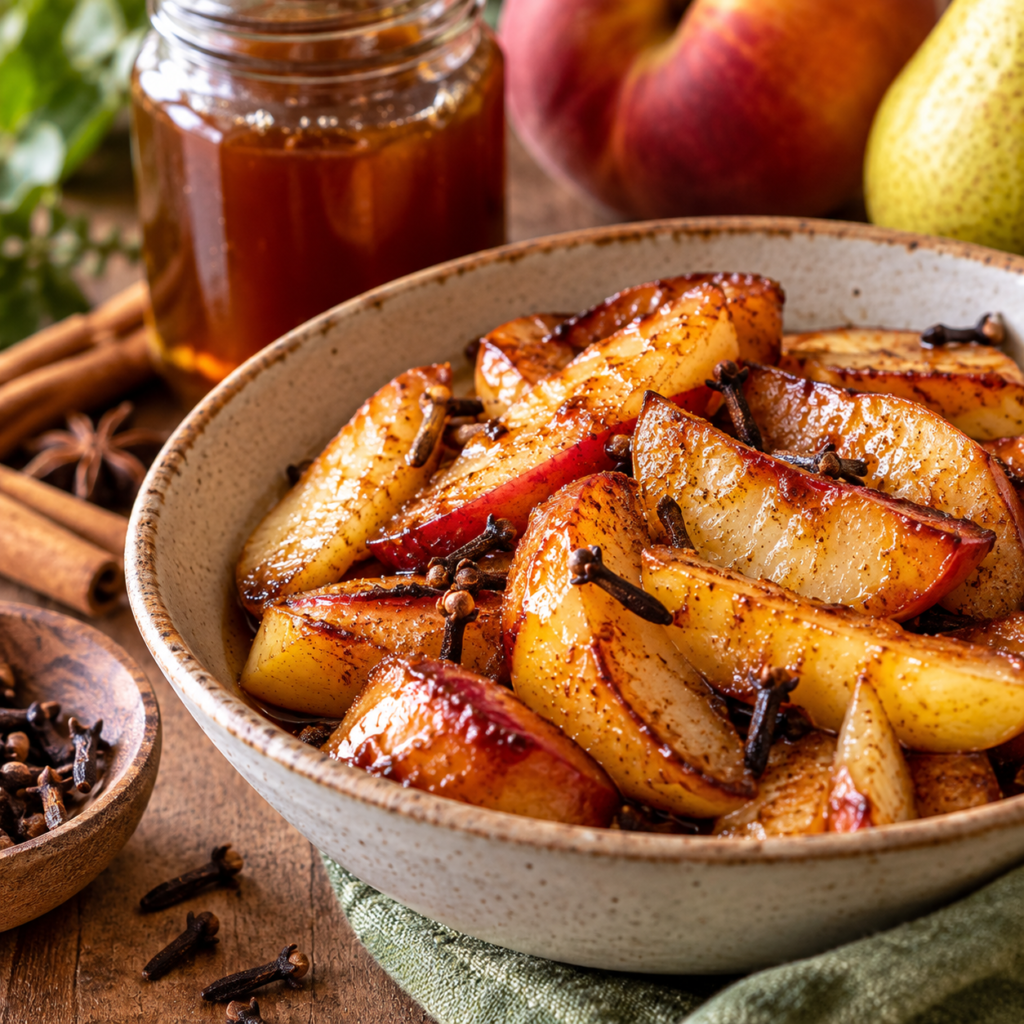
Roasted Chai-Spiced Fruit is a wonderfully versatile recipe for your herbal kitchen. Peaches, pears, apples, and pineapple all work beautifully. As the fruit roasts, its natural sweetness deepens, the edges become deliciously caramelized, and the chai syrup creates a fragrant coating that brings everything together.
Add these aromatic autumn flavours and you've made a delightful dish that can be served alone or atop pancakes, crepes etc or quite simply with fresh yogurt. Try with your overnight oats!!
Let your imagination — and whatever is in your fruit bowl — lead the way!
Roasted Chai-Spiced Fruit
Ingredients
- 4 cups approximately 600 g sliced fruit — apples, pears, peaches, pineapple, or a combination
- 2 tablespoon chai syrup
- 1 tablespoon melted butter or coconut oil optional
- ¼ teaspoon ground cinnamon optional, for extra warmth
- 2 –4 whole cloves optional, especially lovely with apples and pears
Instructions
- Preheat the oven to 375°F (190°C). Lightly grease a baking dish or line a baking sheet with parchment paper.
- Prepare the fruit. Wash, core, peel if desired, and slice the fruit into even-sized wedges. Leave the skin on apples and pears if you prefer a more rustic dish.
- Add the chai syrup. Place the fruit in a bowl and toss with the chai syrup and melted butter or coconut oil, if using. Add cinnamon if desired.
- Arrange for roasting. Spread the fruit in a single layer in the prepared dish. Add the whole cloves, if using, distributing them among the fruit.
- Roast for 15–25 minutes, depending on the fruit and thickness of the slices. Turn gently halfway through. The fruit is ready when tender, fragrant, and beginning to caramelize. Apples may need a little longer than softer fruits.
- Serve warm. Remove any whole cloves before serving. Spoon the fruit and its lovely spiced juices over oatmeal, pancakes, waffles, or yogurt, or serve as a simple dessert.
Chai Spiced Syrup
2 cups water
1 tablespoon whole cloves
1 tablespoon cinnamon
1 tablespoon cardamom
1 tablespoon fresh ginger
1 cup honey
Simmer spices in water for 20 minutes.
Strain.
Stir in honey while warm.
Store in the fridge for up to 2 weeks.
Notes
Studio Botanica tip: For the most beautiful flavour, keep the cloves in your chai syrup or use them sparingly as whole spices while roasting;
Remove whole cloves before serving, as they can be surprisingly intense to bite into.
Here's to lots of delicious food -- healthy choices !
Carol x
Leave a Reply